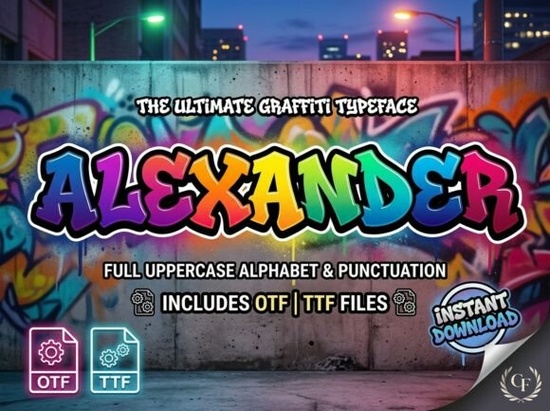
If you’ve been searching for a decorative font that doesn’t just blend in but actually steals the show, Alexander Font might be exactly what your next project needs. It’s not your average typeface it’s built with bold, artistic letterforms and fine details that give your work an immediate visual punch. Whether you’re designing posters, branding materials, or merch for print-on-demand, this font helps you stand out without looking cluttered or unprofessional.
What makes Alexander Font especially useful is how well it balances creativity with clarity. You can use it for large headlines where every curve and stroke gets noticed, or scale it down slightly for packaging labels and social media graphics. The personality of the font comes through whether it’s on a hoodie, a business card, or an event flyer which is rare for display fonts that often lose their charm at smaller sizes.
Who should really consider using this font?
If you run a small creative business maybe you sell custom apparel, design logos for local brands, or create printable art then fonts like this are worth keeping in your toolkit. It pairs especially well with minimalist layouts, letting the typography carry the weight of the design. Crafters who use Cricut or Silhouette machines will also find it easy to import and cut, since it’s compatible with those platforms right out of the box.
Even if you’re just starting out with design tools like Canva or Word, you won’t feel lost. The font installs like any other, and because it’s so visually distinct, you don’t need to over-style it with effects or shadows to make it pop.
How does it compare to other decorative fonts?
Not all decorative fonts hold up across different uses. Some look great as giant posters but fall apart on product tags. Others feel too busy when used in logos. Alexander Font manages to avoid those pitfalls. If you’ve tried something like Monogram Slab Serif for more structured projects or Cute Dot Duo for playful, casual vibes, Alexander sits in that sweet spot between artistic flair and professional polish.
It’s heavier and more ornate than most slab serifs, but not as whimsical as dotted or handwritten styles. That middle ground makes it flexible you can dress it up with metallic textures for luxury packaging or keep it clean over a white background for modern branding.
Where will this font actually shine?
- Poster headlines Especially music events, art shows, or boutique sales where you want people to stop scrolling and look.
- Social media quotes Pair it with neutral backgrounds and let the font do the talking. No extra filters needed.
- T-shirt and tote bag designs Single words or short phrases in Alexander Font become instant statement pieces.
- Album covers and zines Its handcrafted feel suits indie artists and self-publishers who want something unique but not chaotic.
- Premium product packaging Think candles, skincare, or artisan snacks anything where “handmade” or “limited edition” is part of the appeal.
What software works with it?
You won’t need special programs to use Alexander Font. It runs smoothly in Adobe apps like Illustrator and Photoshop, but also plays nice with beginner-friendly tools:
- Canva (upload as a custom font)
- Microsoft Word & PowerPoint
- Cricut Design Space
- Silhouette Studio
- Affinity Designer
Both Mac and PC users can install it without issues. And if you’re working with clients or collaborators, you won’t have to explain complicated licensing one license covers personal and commercial use, which is a relief for small business owners.
For reference, you can check out the original listing here: Alexander Font.
Any tips before you download?
Because it’s a display font, avoid using it for long paragraphs. Stick to headlines, logos, or accent text. Also, test it at different sizes some of the finer details may need slight scaling adjustments depending on your output (print vs. digital).
If you’re pairing it with another font, go simple. A clean sans-serif like Helvetica or even Arial creates contrast without competing. And if you’re printing on fabric or textured paper, do a small test print first intricate fonts can sometimes lose definition on rough surfaces.
Quick checklist before your next project:
- Use only for short text titles, names, taglines.
- Pair with a plain font for balance.
- Test print if using on physical products.
- Check kerning (letter spacing) in your design app some letters may need manual tweaking.
- Save a PNG version with transparent background for web/social reuse.
Fonts like this don’t come around often ones that are expressive but still usable, detailed but not distracting. If you’ve got a project that needs personality without the hassle, give Alexander Font a try. It’s the kind of tool that quietly makes your work look more intentional, more finished, and more you.
Learn More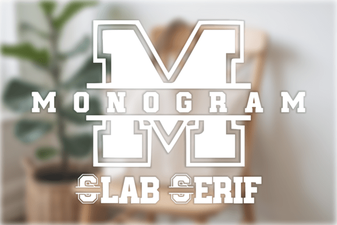 Designing with Monogram: a Bold Slab Serif Guide
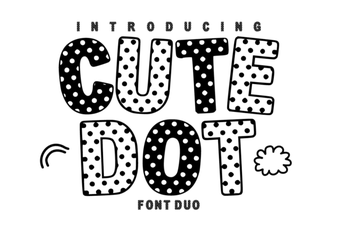 The Cute Dot Duo Font for Creative Projects
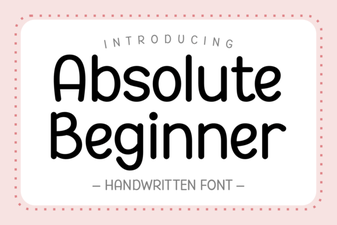 Design Tips for Absolute Beginner Font Projects
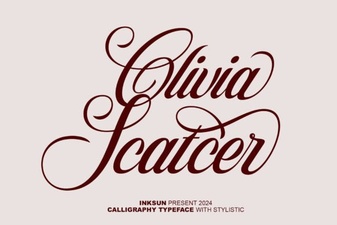 Olivia Scatter Font for Creative Designs
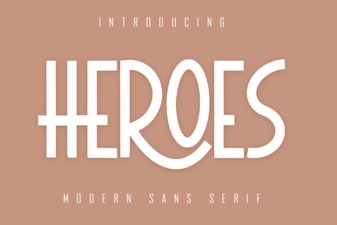 The Heroes Font: Design Ideas & Creative Projects
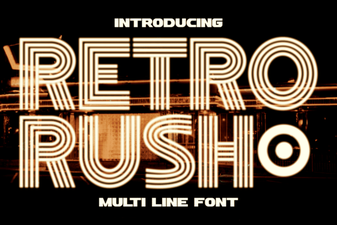 Design Projects with Retro Rush Font