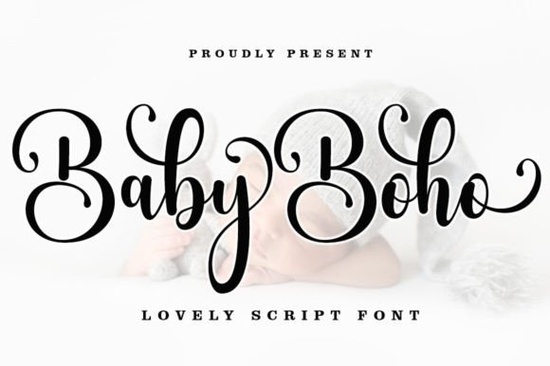
If you’re looking for a script font that feels both relaxed and refined, Baby Boho Font might be exactly what your next project needs. It’s a modern calligraphy style with gentle swashes and an organic flow perfect for designers who want something personal and stylish without being overly ornate. Whether you’re creating wedding invitations, branding materials, or print-on-demand products like mugs and tote bags, this font adapts well across different surfaces and sizes.
What makes Baby Boho Font stand out from other script fonts?
Unlike some script fonts that feel stiff or overly formal, Baby Boho has a casual rhythm to it. The letterforms connect naturally, and the optional swashes add personality without overwhelming your layout. You don’t need special software to access those extra characters either thanks to PUA Unicode encoding, Mac users can open Font Book and Windows users can use Character Map to copy and paste any glyph directly into their design apps.
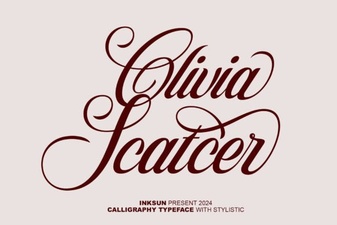
It pairs especially well with clean sans-serifs or minimalist layouts. If you’ve used fonts like Olivia Scatcer or Absolute Beginner before, you’ll notice Baby Boho sits in a similar sweet spot: legible enough for body text at larger sizes, but decorative enough to shine as a headline or logo font.
Where can I actually use this font?
Here are just a few real-world uses we’ve seen from crafters and small business owners:
- Wedding stationery – Invitations, place cards, and thank-you notes with a handmade vibe.
- Product packaging – Soap labels, candle jars, boutique tea boxes anything that benefits from a soft, artisanal touch.
- Branding – Especially for wellness brands, baby boutiques, or creative studios wanting to appear approachable.
- Social media graphics – Quotes, promo banners, or story overlays that need a human, hand-lettered feel.
- Print-on-demand items – T-shirts, tote bags, mugs, and journals where typography carries the message.
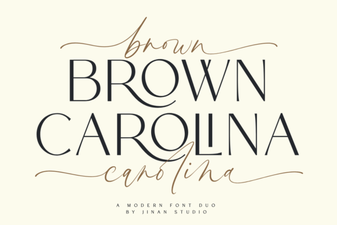
One user even used it for a children’s book cover alongside Brown Carolina Duo, layering the two scripts for contrast. Another paired it with Disney Font for a playful birthday party invite proving it doesn’t always have to feel “boho” to work beautifully.
Is it easy to install and use with common design tools?
Yes. Once downloaded, you can install it like any system font. It works in Canva, Adobe Illustrator, Photoshop, Procreate (with font loading), Silhouette Studio, Cricut Design Space, and most major platforms. The PUA encoding means you’re not locked into one app to access alternate characters or ligatures which is a big plus if you switch between tools often.
If you’ve struggled with fonts like Wintersnow where special glyphs require third-party plugins or complex workflows, Baby Boho keeps things simple. Open your OS’s character viewer, find the swash or alternate you want, copy it, and paste it right into your text box. No extra steps.
Who is this font best suited for?
Baby Boho shines for:
- Crafters making vinyl decals, iron-ons, or printable wall art.
- Small business owners designing their own logos, packaging, or social assets.
- Print-on-demand sellers who need versatile, commercially licensed fonts.
- Hobbyists creating personalized gifts or journal spreads.
It’s not the right pick if you need something ultra-bold for billboards or highly structured for corporate reports. But for anything that calls for warmth, charm, and a little bit of flair? It’s a reliable go-to.
How does licensing work for commercial projects?
When you download Baby Boho Font through Creative Fabrica, you get a commercial license by default meaning you can use it on products you sell, whether physical or digital. Always double-check the current license terms on the product page, but historically, their Standard Commercial License covers most small business and POD use cases without requiring attribution.
That said, you can’t redistribute the font file itself or claim it as your own design. But for using it in logos, merchandise, or client work? You’re covered.
Quick checklist before you start:
- Install the font on your system first don’t just drag it into your design app.
- Use Character Map (Windows) or Font Book (Mac) to explore swashes and alternates.
- Pair it with a simple sans-serif for balance try Montserrat, Lato, or even Arial if you’re prototyping.
- Test readability at smaller sizes; while beautiful, some swashes may become muddy below 16pt.
- Save your final files with outlines or embedded fonts if sending to printers or clients.
Start small maybe a quote graphic or a mock label and see how it feels in your workflow. Sometimes the best fonts aren’t the flashiest ones, but the ones that quietly make everything look more intentional.
Get Started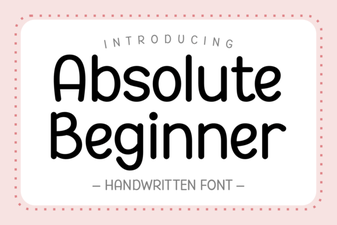 Design Tips for Absolute Beginner Font Projects
 Olivia Scatter Font for Creative Designs
 Crafting Projects with the Brown Carolina Duo Font
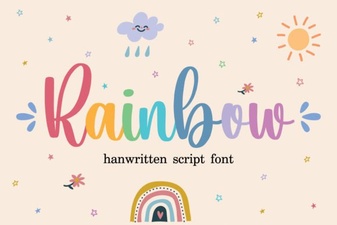 Creative Rainbow Fonts for Modern Web Design
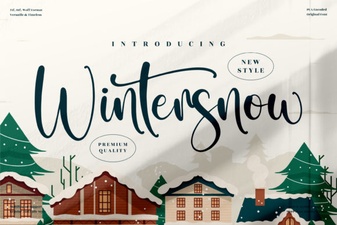 Wintersnow Font: Free Frosty Typography for Creative Projects
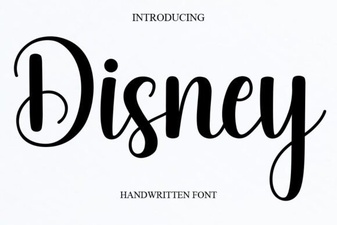 Unlocking Creativity with the Official Disney Font